
Old Motorcycle VIN Check
We may earn a commission from some links on this page.
Pre-1981 motorcycles used shorter frame numbers, not 17-character VINs. See what older numbers can and cannot tell you and how to check a vintage bike.
| Pre-1981 numbers | Shorter frame numbers, not 17-character VINs. |
|---|---|
| Where to look | Frame at the steering head, plus the engine cases. |
| Year information | Often held by the maker's archive, not by the frame number alone. |
| Modern report | May return little if the old number was never in a modern record. |
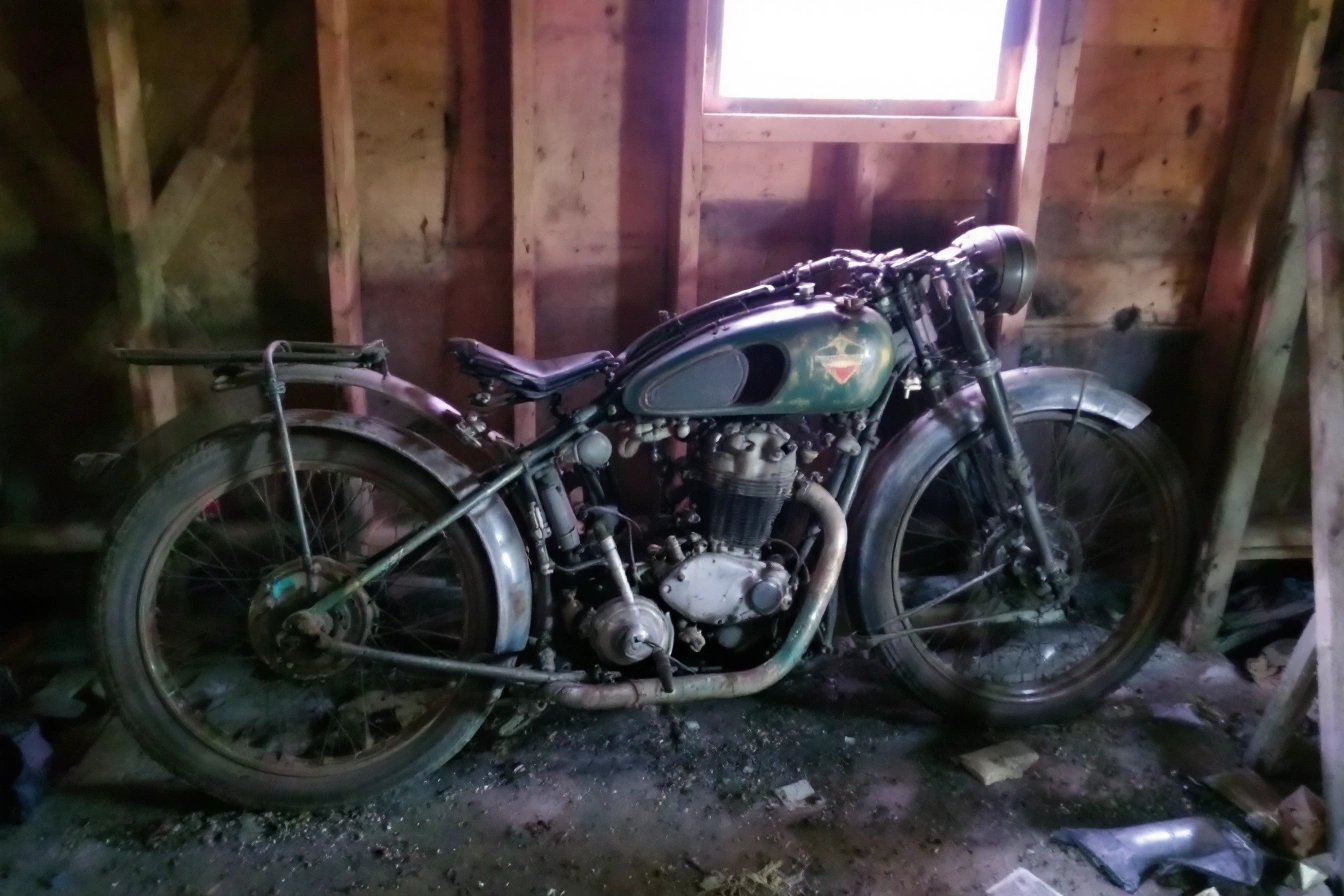
An old motorcycle VIN check has a different starting point. Bikes built before 1981 for the US market did not have to carry a 17-character VIN. Many use a short frame number, and some makers stamped a separate engine number as well. A modern report may still help, but it cannot be read the same way as a check on a late-model bike.
Pre-1981 bikes use short frame numbers, not 17-character VINs. Copy the frame number and the engine number, then use the maker's archive and the paperwork to date the bike. A modern report helps only if the old number is in a modern record.
Old Motorcycle VIN Check: Why Old Bikes Are Different
The 17-character VIN became the US standard for the 1981 model year under 49 CFR 565. Before that, makers used their own formats. A frame number might be a short string of digits, or a mix of letters and digits. Lengths varied by maker and by year, so there is no single chart that turns every old number into a year.
That change is why a modern decoder often fails on a vintage bike. The decoder expects 17 characters and a known pattern. When it gets a short number, it returns nothing useful. That does not mean the bike is suspect. It means the number belongs to an older system.
Pre-1981 Frame and Engine Numbers
Look for the frame number at the steering head, on the frame neck, the same area used on newer bikes. On some old bikes it sits on the left side of the headstock. Clean the paint and grime gently, and photograph the stamp before you rub it.
The engine number sits on the cases. On many vintage bikes it is on the left side, near the front of the engine. Write down both numbers exactly. They may differ, and on old bikes they often do.
What a Vintage Number Can Tell You
A short number can still tell you a lot when you pair it with the right records. The table shows where each piece of information usually lives. None of it comes from the frame number alone.
| Source | What it can show | Limit |
|---|---|---|
| Frame number | The maker's frame sequence and sometimes a model code | No standard national format |
| Engine number | The engine model and sequence | Not the frame identity |
| Title or registration | The year and the owner on record | May be missing on a project bike |
| Maker archive | Build year and model from the factory record | Not every maker offers one |
Scroll for more →
What It Cannot Tell You
A short number cannot tell you whether the bike was stolen, and it cannot prove the frame and engine left the factory together. It cannot confirm the year without a maker record or paperwork. It also cannot show a modern title brand, because a title brand is a record attached to a modern VIN.
Be careful with any service that offers to date a vintage frame from the number alone. No single public table covers every pre-1981 maker. The honest answer is that the number is one clue among several.
Documents That Carry the Number
The title is the strongest document, when it exists. A registration from an earlier owner, a bill of sale and any dealer paperwork all help. Photographs of the frame and engine stamps are worth keeping, because they show the numbers in context.
If the title is missing, ask the seller how the bike was stored and whether any older registration exists. A project bike with no paperwork is not automatically a bad buy, but it is a slower path to registration. Check your state's rules before you pay.
When a Report Can Still Help
A history report runs on the number it is given. If an old bike was titled or insured in the modern era, its number may sit in a modern record. In that case a report can show a title brand or a theft entry that matters.
If the report returns nothing, that is not a clean bill of health. It means the old number was not found in the records the report searches. Use the maker archive and the paperwork to fill the gap, and treat the report as one part of the check.
Verdict: Old Motorcycle VIN Check
An old motorcycle VIN check starts with the frame number and the engine number, then reads the paperwork and the maker archive together. A modern report can help only when the old number reached a modern record. Do not expect a full history from a short number, and do not let a blank result stand in for a clean one. For the modern 17-character layout, the BMW motorcycle VIN decoder shows one maker's full format.
Frequently Asked Questions
Is a short frame number still a VIN?
It is the bike's frame number. The 17-character VIN rule applies to 1981 and newer US-market bikes, so an older number is shorter by design.
Will a history report work on a 1970 bike?
Sometimes. It works only if the old number appears in a modern title, theft or insurance record. Many vintage bikes return very little.
Can I date my frame from the number?
Not from the number alone. Use the maker's archive, the model features and any original paperwork to narrow the year.
What paperwork should I keep?
Keep the title, any registration, the bill of sale and photos of the frame and engine numbers. Those records support a later registration.