
Motorcycle Engine Number and VIN
We may earn a commission from some links on this page.
A motorcycle engine number is not the VIN. See where each number sits on road and dirt bikes, what each one identifies, and when a VIN check still matters.
| Engine VIN | There is none. The engine carries an engine number, not the VIN. |
|---|---|
| Frame VIN | Stamped or plated on the steering head of the frame. |
| Report input | The frame VIN. A history report cannot run on the engine number. |
| Matching numbers | A sign to check, not proof of originality on their own. |
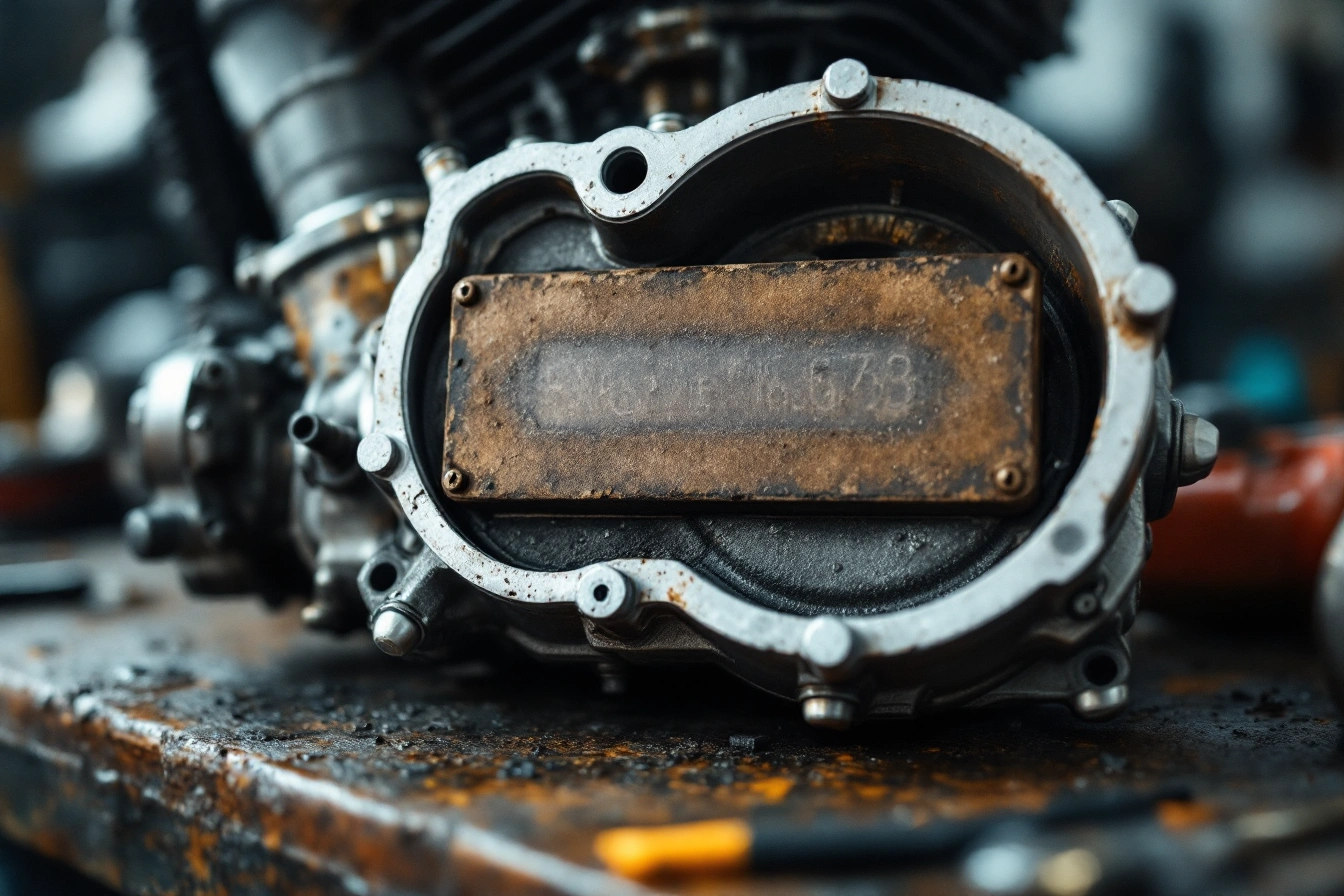
Is there a VIN on the engine motorcycle buyers inspect? No. The engine carries an engine number, which is a separate serial with its own job. The VIN belongs to the frame, and the frame VIN is the number a history report needs. Confusing the two is one of the most common mistakes at a used-bike viewing.
The engine number is not the VIN. Look for the VIN on the frame at the steering head. The engine number sits on the cases and identifies the engine, so a report cannot run on it.
Is There a VIN on the Engine Motorcycle?
The short answer is no. A motorcycle has one VIN for the whole machine, and it is attached to the frame. The engine has a separate number that identifies the engine unit. On most bikes the two numbers were never meant to match, because makers built frames and engines as separate parts and joined them on the line.
This matters at a viewing. A seller may point at the engine case and call that number the VIN. It is not. If you copy it into a history report, the report will reject it or return nothing useful. The frame VIN is the one that ties the bike to a title, a registration record and an insurance history.
Engine Number vs VIN: the Difference
The table below sets out the two numbers side by side. The frame VIN is the legal identity of the bike. The engine number is a parts identifier. Both are useful, but only one belongs in a history report.
| Number | Identifies | Where it sits | Length |
|---|---|---|---|
| Frame VIN | The whole motorcycle | Steering head, stamped or on a plate | 17 characters on 1981 and newer bikes |
| Engine number | The engine unit | Flat pad on the crankcase or cases | Varies by maker, often shorter |
Scroll for more →
Where the Engine Number Sits
The engine number is stamped into a flat pad on the engine cases. On many bikes it sits near the front sprocket, on the left side, or on the clutch cover side. A parts diagram for the model will show the exact pad. Clean the area first, because oil and grit hide a shallow stamp.
The number is usually shorter than a VIN. It may start with a letter code for the model family and end with a sequence. Some makers repeat the engine number on a sticker or a second stamp, but the case stamp is the one that matters.
Where the Frame VIN Sits
The frame VIN sits at the steering head, the tube where the fork passes through the frame. Turn the bars to one side and look at both sides of the headstock. You may find a metal plate, a stamp in the frame, or both. On a faired road bike, the plastic has to come off or be pulled aside.
The frame VIN is 17 characters on any bike built for the US market from 1981 onward. Older bikes use shorter numbers. If the frame number is short, read the old-bike guide before you try to decode it as a modern VIN.
What a Matching Number Proves
A matching frame and engine number is a good sign, and nothing more. It suggests the engine has not been swapped since the bike was built. It does not prove the bike was never repaired, never crashed or never stolen. Only the maker's own build record can confirm what the factory fitted.
A mismatch is also not proof of a problem. Old dirt bikes and road bikes often had an engine replaced after a failure. What matters is whether the seller can explain the mismatch and whether the frame VIN is clean in a history report.
When to Run a VIN Check
Run the frame VIN whenever money is about to change hands. The report is the only step that can show a title brand, a reported theft, a salvage record or an odometer problem. It takes the frame number, so find that first. For what a report can show and what it cannot, see the VIN check motorcycle guide.
Run it early, not after you have agreed a price. A report that turns up a salvage brand changes the whole deal. If the seller cannot or will not let you read the frame stamp, treat that as a reason to pause.
Maker-Specific Locations
The frame VIN is on the steering head across the major makers, but the engine number pad moves. The table gives the common spot. Check the owner's manual for the exact model and year before you rely on it.
| Maker | Frame VIN | Engine number |
|---|---|---|
| Honda | Steering head, plate and stamp | Cases, often near the front sprocket |
| Yamaha | Headstock label and frame stamp | Cases, left side on many models |
| Kawasaki | Steering head plate | Cases, behind the front sprocket cover |
| Suzuki | Headstock plate and frame stamp | Cases, on a raised pad |
| Harley-Davidson | Frame neck label and stamp | Cases, on a flat pad |
Scroll for more →
Verdict: Is There a VIN on the Engine Motorcycle?
So is there a VIN on the engine motorcycle you are about to buy? No. The engine carries an engine number, and the frame carries the VIN. Copy the frame VIN at the steering head and run that number in a history report.
Use the engine number only to compare parts and to ask the seller questions. A matching number is a clue, not a guarantee, and the frame VIN is the one that decides the deal.
Frequently Asked Questions
Is the engine number the VIN?
No. The engine number identifies the engine, and the frame VIN identifies the whole motorcycle. A history report needs the frame VIN.
Why do the frame and engine numbers differ?
They are separate numbers with separate jobs. An engine can be replaced during a rebuild, so a mismatch is normal on many older bikes.
Can I run a history report on the engine number?
No. The report needs the 17-character frame VIN. If you only have the engine number, find the frame stamp first.
Does a matching engine number prove the bike is original?
Not on its own. A matching number is one clue. Only the maker's own build record can confirm what left the factory.