
Dirt Bike Gear
Dirt bike gear buying advice for helmets, boots, body armor, neck braces, goggles and gloves, including what to skip and how to judge used gear.
The bike is the fun part. The gear is the part that decides how a crash ends. A good helmet, a pair of boots that support the ankle and goggles that stay clear are not accessories. They are the difference between a bruise and a hospital visit.
This guide covers what to look at before you spend money, in the order that matters.
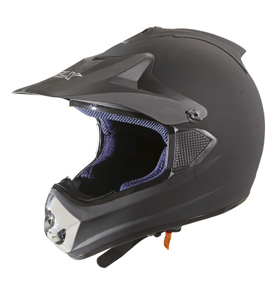
Helmet
Fit comes first. The helmet should sit level, cover the top of your forehead and stay put when you shake your head. Cheek pads should touch your face without pinching. A helmet that is too big will rotate in a crash and will not protect the same way.
Look for a current certification label for your market. Visor and peak condition matter less than the shell and liner, but a cracked shell or a crushed liner is a reason to walk away. Replace a helmet after a hard impact, even if it looks fine.
Do not buy a used helmet unless you know its history. You cannot see the foam damage from a drop or a crash, and a helmet that has been stored in a hot shed may have aged out.
A helmet also has a shelf life. The liner and the foam degrade with heat and sweat, plus sunlight. A helmet that has been in a hot car for years is not the same as a new one, even if it has never been dropped.
Boots
Boots protect the ankle, the foot and the lower leg. A motocross boot has a stiff sole, a hinged ankle and buckles that pull the shell tight. Try them on with the socks you ride in and check that you can shift and brake without the boot catching.
Look at the sole and the stitching. A worn sole can be replaced on some boots, but a collapsed ankle or a broken buckle is not worth repairing. Buy boots that fit now rather than boots you will grow into.
Body armor and neck brace
A chest protector should sit close without restricting your arms. Shoulder pads and a back plate are the basics. Some riders prefer a pressure suit with built-in armor, which is cooler but can be harder to fit under a jersey.
A neck brace has to match the helmet and the chest protector. A brace that is not seated correctly can do more harm than good. Read the maker's fit instructions and set it up before you ride, not in the staging area.
Goggles and gloves
Goggles need a lens that seals against your face and a strap that stays tight. A spare clear lens is worth carrying for low light or rain. Tear-offs are useful in mud, but they are not a substitute for a clean lens.
Gloves should be tight enough to feel the levers and loose enough to pull on without tearing. Palm padding helps with blisters, and a secure wrist closure keeps the glove on in a fall. Replace gloves when the palms wear through.
What to skip
Skip a used helmet with an unknown history. Skip boots that are too big because they were on sale. Skip a chest protector that does not fit over the jacket you actually wear. Skip any gear that only works if you ride in a way you do not ride.
Skip the upgrade trap too. A new graphics kit or a carbon guard does not make you faster or safer. A helmet that fits, boots that support and a bike that is set up correctly are worth more.
Buying used gear
Used boots and armor can be good value if the shell and the buckles are sound. Check every buckle, hinge and strap. Look for cracks at the ankle and wear through the sole.
Used helmets are the one category to avoid unless you know the seller and the history. A helmet is a single-use protective item. The saving is not worth the risk.
For a young rider, get the size right before you buy anything. Our dirt bike size chart explains seat height and bike fit, and the gear should follow the same logic: fit first, color second. If you're shopping for the bike too, take a used dirt bike checklist to look it over.
A child's gear needs the same checks as an adult's, with more attention to growth. A helmet that was bought two sizes large will not protect a small head, and boots that are too big make it hard to reach the brake. Buy for the rider in front of you, not for the rider they will be next year.
Second-hand gear is fine for boots and armor if the condition is good. It is not fine for a helmet with an unknown history. That is the one rule worth keeping absolute.
Buy the best helmet and boots you can afford before you buy anything else. Those two pieces protect the parts of you that are hardest to fix.
Source: Motorcycle Safety Foundation rider and gear guidance, checked November 2026.